

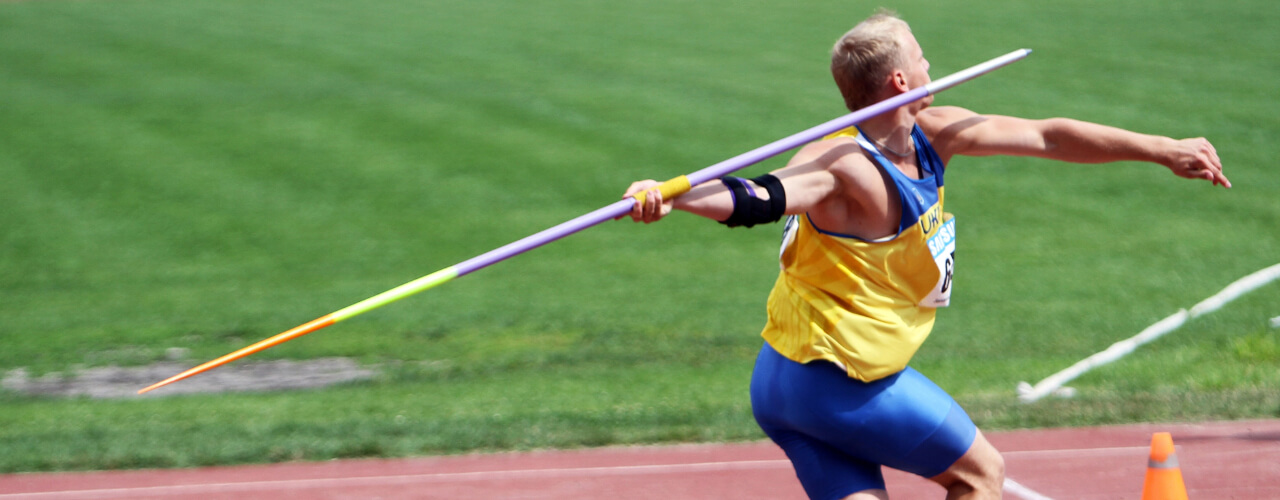
Throwing sports demand power, precision, and repetition. Whether you’re pitching fastballs or launching javelins, your arm takes a beating. Over time, these repetitive motions can lead to overuse injuries that sideline even the most elite athletes. That’s why throwing arm maintenance is essential. When done consistently, it can protect your shoulder and elbow, enhance performance, and help extend your athletic career.
At Tork Sports Performance, we specialize in helping throwing athletes develop customized programs that keep their arms strong, mobile, and ready for action. If you want to stay in the game for the long haul, this is where it starts.
What is Arm Maintenance, and Why Does It Matter?
Arm maintenance refers to a structured approach that focuses on the health, strength, and mobility of the shoulder and elbow. Here’s why it matters:
- Reduces overuse injuries like rotator cuff strains, elbow tendonitis, and labral tears
- Improves recovery time between practices and games
- Enhances throwing mechanics, reducing stress on joints
- Supports strength and mobility to increase velocity and accuracy
Without proper arm care, small issues can turn into long-term injuries. Throwing arm maintenance helps prevent these concerns.
What Throwing Arm Maintenance Includes: A Breakdown
A solid maintenance program includes more than ice packs and stretching. At Tork Sports Performance, we use research-based strategies that help athletes train smarter. Here’s what you can expect in a typical program:
1. Pre-Throwing Warm-Up and Activation
Prepare your arm for movement with dynamic warm-ups that target the shoulder and upper back, such as arm circles, resistance band exercises, and scapular mobility drills.
2. Post-Throwing Recovery Techniques
These techniques help reduce inflammation and restore muscle function after games or practices:
- Soft tissue release (such as foam rolling or massage)
- Cryotherapy (ice/cold) and compression
- Light aerobic activity
3. Strength and Stability Training
Prevent injury by strengthening the muscles that support your throwing mechanics. We suggest focusing on your rotator cuff, scapular, forearm, and elbow. Core stability work is also essential, as your core helps with overall movement.
4. Mobility Work
A full range of motion is key for clean mechanics. Ensure you have good mobility in your upper back (thoracic spine), shoulder, forearm, and wrist.
5. Monitoring and Maintenance
Regular check-ins at Tork Sports Performance can help you track progress and adjust programming as needed. We can perform comprehensive biomechanical assessments, monitor your pain or fatigue levels, and update your training program based on the seasonal demands of your sport.
Remember, throwing arm maintenance isn’t a one-size-fits-all routine. It’s tailored to your position, throwing volume, and performance goals.
How Our Team Helps You Build an Effective Arm Maintenance Plan
We take an athlete-first approach, using the latest evidence from peer-reviewed journals to guide our programs. Our team evaluates your current condition, sport-specific demands, and overall goals to develop a tailored plan that supports your long-term success. Here’s a general overview of what you can expect:
- One-on-one assessments and goal-setting
- Sport-specific warm-up and recovery guidance
- Strength and mobility programming
- Periodic reassessments and performance tracking
Whether you’re preparing for a competitive season or coming off an injury, we’re here to support your throwing arm maintenance every step of the way.
Ready to Take Care of Your Arm the Right Way?
Throwing athletes can’t afford to ignore their arm health. With the proper maintenance routine, you can throw harder, recover faster, and play longer. Don’t wait until the pain slows you down–contact Tork Sports Performance today to schedule a consultation and keep your performance on point!



Leave a Reply