


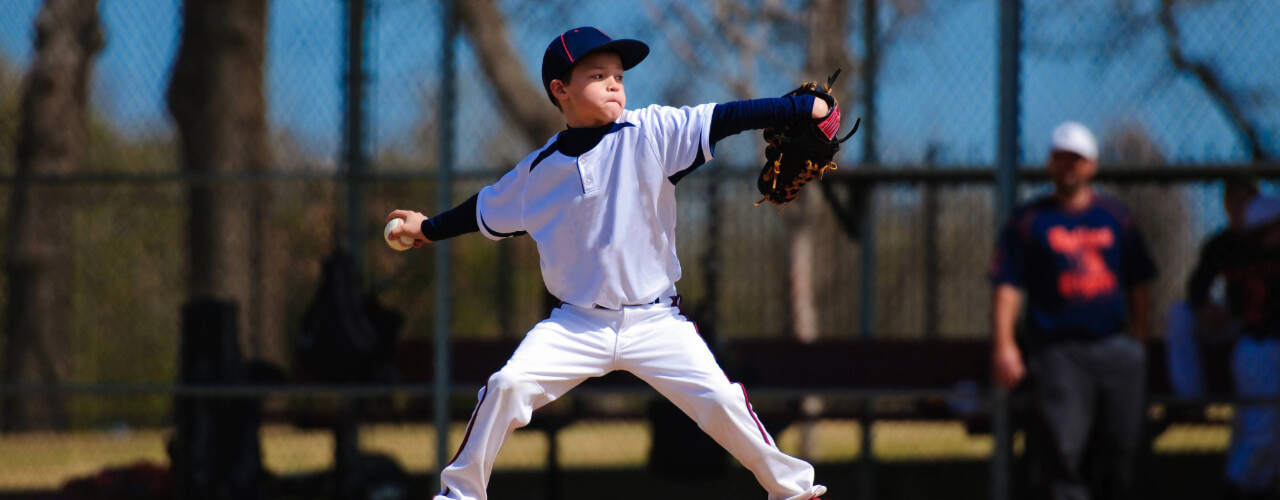
Did you know that baseball players, especially pitchers and frequent throwers, are at high risk for overuse injuries? Repetitive motions like throwing and swinging can place a great deal of stress on the arm. That’s why preventing arm injuries in baseball is key to staying in the game and performing at your best.
Understanding which injuries are most common and how to avoid them can help players protect their performance and long-term health. The team at Tork Sports Performance has prepared this guide to help you know what to look for.
Five Baseball-Related Arm Injuries (And How to Prevent Them)
Rotator Cuff Strain
The rotator cuff is a group of muscles and tendons that stabilize the shoulder. In baseball, these muscles are constantly engaged, especially during throwing, which can cause the tissue to tear.
Symptoms
- Shoulder pain, especially when lifting the arm
- Weakness or loss of range of motion
- Pain that worsens at night or with activity
Causes
- Repetitive overhead throwing
- Poor mechanics or fatigue
Prevention Tips
- Strengthen the shoulder with resistance band exercises
- Warm up thoroughly before games and practices
- Avoid throwing through pain or fatigue
UCL Injury (Tommy John Injury)
The ulnar collateral ligament (UCL) runs along the inside of the elbow. It can become damaged due to repeated stress from pitching.
Symptoms
- Pain in the inner elbow
- Decreased throwing velocity
- Popping sensation during throwing
Causes
- High pitch counts
- Improper throwing mechanics
Prevention Tips
- Limit pitch counts and allow time for recovery
- Use proper form and technique when throwing
- Work with a professional to address early signs of strain
Biceps Tendonitis
Biceps tendonitis causes inflammation in the tendon connecting the biceps muscle to the shoulder.
Symptoms
- Pain or tenderness in the front of the shoulder
- Weakness in the arm or elbow
- Clicking sensation when rotating the arm
Causes
- Repetitive throwing without adequate rest
- Shoulder instability or weakness
Prevention Tips
- Strengthen the upper back and shoulder stabilizers
- Incorporate active rest and recovery periods
- Focus on full-body conditioning to reduce stress on the arm
Shoulder Impingement
Shoulder impingement occurs when the shoulder’s tendons and bursae (small fluid-filled structures) become compressed and pinched.
Symptoms
- Pain when reaching or lifting the arm overhead
- Stiffness or weakness in the shoulder
- Difficulty sleeping on the affected side
Causes
- Tight or imbalanced shoulder muscles
- Overuse without proper recovery
Prevention Tips
- Improve posture and shoulder mobility
- Focus on balanced strength training
- Avoid overtraining and include cross-training activities
Flexor Tendon Strain
The flexor tendons in the forearm help stabilize the elbow during pitching. They can become torn due to overuse.
Symptoms
- Pain in the inner forearm
- Weak grip strength
- Discomfort during or after pitching
Causes
- Repetitive throwing stress
- Poor conditioning of the forearm muscles
Prevention Tips
- Perform forearm strengthening exercises
- Avoid throwing through fatigue
- Monitor throwing volume and recovery time
How to Start Preventing Arm Injuries in Baseball
To reduce your risk and extend your time on the field, follow these general injury prevention strategies:
- Warm-up and cool down properly every time you play or train
- Prioritize strength and mobility in the shoulder, core, and forearm
- Rest and recover between games or pitching sessions
- Track pitch counts and follow throwing guidelines, especially for younger players
- Work with a sports performance specialist at Tork Sports Performance for individualized plans
These steps are essential to preventing arm injuries in baseball and can significantly improve long-term performance.
Take the Next Step Toward a Healthier Baseball Season
Preventing arm injuries in baseball doesn’t have to be complicated. Our team specializes in helping athletes stay strong, mobile, and injury-free.
Contact Tork Sports Performance today to schedule an appointment and learn how we can support your development as an athlete!



Leave a Reply