


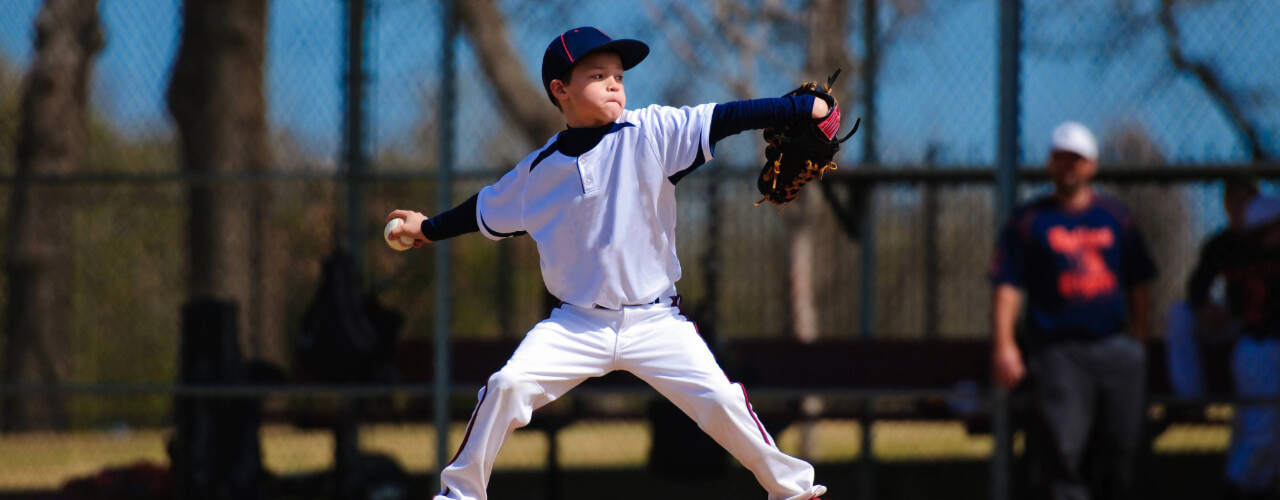
Shoulder injuries are among the most common setbacks for athletes performing repetitive throwing motions. Whether you’re a baseball pitcher, quarterback, or javelin thrower, maintaining shoulder strength and mobility is essential for both performance and injury prevention. Today, the team at Tork Sports Performance has gathered the most important questions surrounding throwing athlete shoulder health, helping you understand how to stay strong, recover smarter, and perform better.
FAQs: Shoulder Health and Throwing Sports
What makes the shoulder so vulnerable in throwing sports?
The shoulder is one of the most mobile joints in the body, which is both a benefit and a risk. That mobility allows you to perform the large, sweeping motions required to throw an object–but those motions place extreme stress on the shoulder, especially during high-speed movements. This can lead to issues like inflammation, impingement, or rotator cuff strains.
Key Risk Factors
- Repetitive overhead motion
- Poor posture or throwing mechanics
- Muscle imbalances or weakness
- Inadequate recovery time
How can I prevent shoulder injuries while throwing?
Injury prevention starts with a strong foundation. Developing healthy habits early can significantly reduce the chance of long-term issues. Preventative strategies include:
- Dynamic warm-ups to prepare the shoulder for motion
- Targeted strength training, especially for the rotator cuff and scapular stabilizers
- Stretching and mobility work to maintain your shoulder’s range of motion
- Proper throwing mechanics taught by qualified coaches
What exercises help improve shoulder health in throwing athletes?
Throwing athletes need more than just general strength. Focused shoulder training is key to stability and endurance during high-volume activity. Here are some exercises we recommend:
- External rotation with bands or light weights
- Scapular retraction drills like prone T’s or rows
- Wall slides and shoulder taps for mobility and control
- Core stabilization to reduce compensatory shoulder strain
These movements help reinforce proper alignment and muscle balance, supporting better throwing athlete shoulder health overall.
How important is rest and recovery for shoulder performance?
Rest is not optional—it’s critical. The shoulder needs time to repair micro-tears and adapt to stress. Without rest, athletes increase their risk of overuse injuries. Furthermore, ignoring early signs of fatigue can quickly lead to breakdowns in performance and long-term damage.
Best Practices for Shoulder Recovery
- Schedule rest days between throwing sessions
- Use ice and compression if soreness or swelling appears
- Get adequate sleep to support tissue healing
- Incorporate active recovery like low-impact mobility work
Should I see a specialist if my shoulder feels sore?
Yes. Early intervention is the best way to prevent a minor issue from becoming a major one. Don’t wait to get evaluated if you notice pain, decreased range of motion, or weakness during or after throwing. Prompt action often means a quicker return to sport without significant downtime.
A sports performance specialist at Tork Sports Performance can help by:
- Assessing your movement patterns
- Identifying muscle imbalances
- Providing a customized training plan with sport-specific drills to improve your throwing efficiency
Ready to Take Control of Your Shoulder Health?
Your shoulder is your most valuable asset as a throwing athlete. Investing in proper training, recovery, and professional guidance can make all the difference in your performance and career longevity.
If you’re experiencing discomfort or want to improve your throwing athlete shoulder health, contact Tork Sports Performance today or schedule an appointment. Our sports performance team is here to help you throw stronger, safer, and smarter.




Leave a Reply