

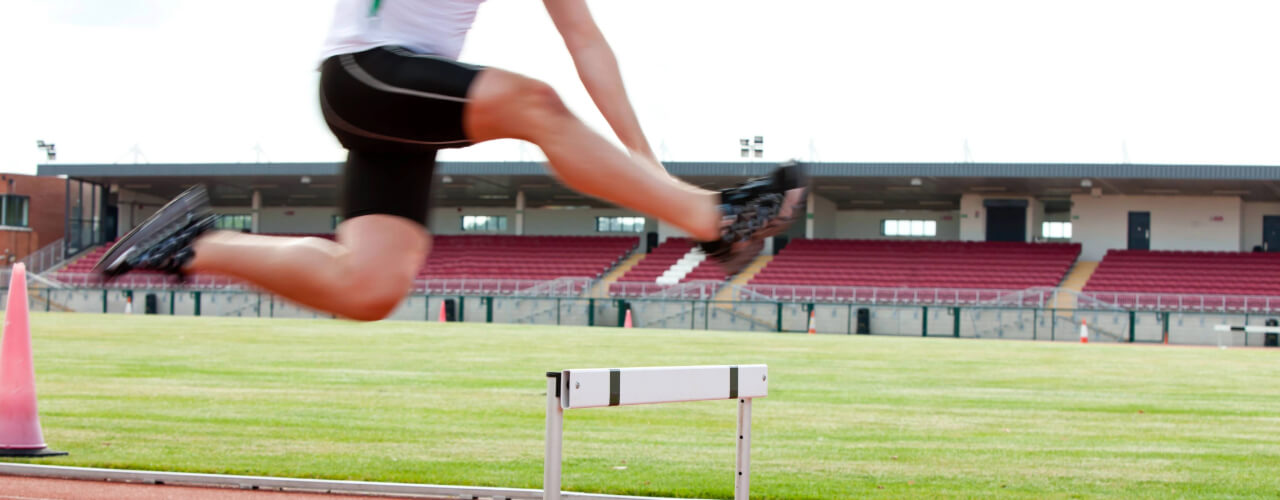
When athletes struggle to reach top speed, maintain stability, or recover fully after intense play, restricted movement is often the missing link. Mobility optimization focuses on improving how well joints move through their full range of motion with control—something every athlete needs for performance and injury prevention. Without proper mobility, power and speed are limited, movement becomes inefficient, and compensations increase the risk of overuse or acute injury.
Below are simple, research-backed tips athletes can start using today to improve mobility and unlock new levels of performance.
Top Tips for Athletes to Improve Mobility
Prioritize Active Warm-Ups, Not Static Stretching
- Start each training session or practice with movements that activate muscles and prepare joints. Static stretching before activity can reduce power output, while active warm-ups improve blood flow and joint readiness.
Address Joint-Specific Restrictions Weekly
- Mobility is joint-specific. Improving one area won’t fix another. Identify your tightest or stiffest areas and work on them consistently—especially the hips, ankles, shoulders, and thoracic spine.
Don’t Forget About Mid-Back Mobility
- Many athletes focus on lower body mobility but neglect the thoracic spine. A stiff mid-back limits overhead control reduces rotational power and forces the lower back to compensate.
Train Strength Through Full Range of Motion
- Mobility optimization isn’t just about stretching—it’s about building control throughout your available range. Strength training that includes full joint motion reinforces long-term improvements in mobility.
Schedule Dedicated Mobility Sessions Each Week
- When done regularly, even five minutes of consistent effort can create progress. Make mobility optimization part of your routine, just like conditioning or lifting.
Use Mobility Optimization to Improve Recovery
- Better mobility can help reduce muscle tightness, improve circulation, and support joint recovery after games or intense training when joints move more freely and tissues load and unload more efficiently.
Work with a Professional for a Personalized Plan
- Mobility limitations vary widely between athletes. Some may need ankle work for better sprint mechanics, while others need shoulder control for overhead actions. Our sports performance specialists can help identify specific needs and correct inefficient patterns.
Why Mobility Optimization Matters More Than You Think
Mobility isn’t about being flexible—it’s about controlling movement where and when it matters most. Optimizing mobility allows athletes to:
- Accelerate faster and decelerate safely
- Generate more force from improved joint angles
- Reduce energy leaks during complex, multi-joint movements
- Stay balanced, efficient, and durable across the entire season
Neglecting mobility leads to tightness, inefficient movement, and higher injury risk—especially under fatigue or during high-intensity play. Building better mobility habits now can make the difference between staying healthy and sitting out.
Move Better, Perform Better—With Help From Tork Sports Performance
Mobility isn’t a bonus—it’s a foundation. If you’re looking to improve movement efficiency, reduce injury risk, and unlock more potential in your game, Tork Sports Performance can help. Our sports performance team provides personalized assessments and custom mobility optimization strategies that match your sport, position, and goals.
Contact Tork Sports Performance today to learn how we can support your progress with a plan built just for you!




Leave a Reply