

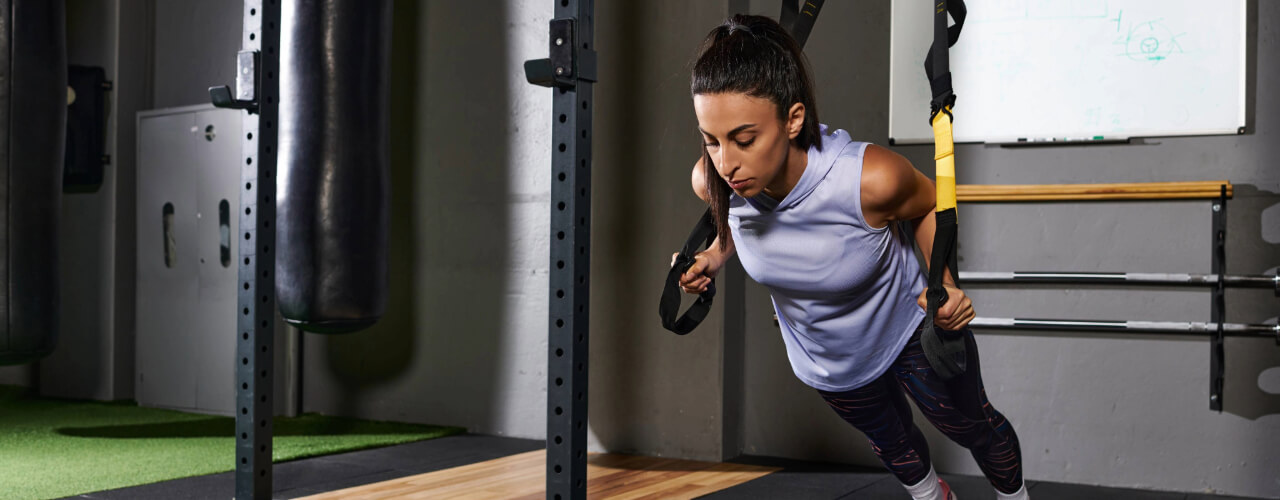
Recreational athletes often train with big goals—improving endurance, increasing strength, regaining speed, or competing in local leagues. But without the right structure, even the most committed routines can stall. Effective performance optimization begins with a customized plan that adapts to your current ability, training history, and goals. Whether you’re returning to sport after time away or looking to break through a plateau, this guide explains the key steps to building a smarter, more personalized training program.
Top Steps to Personalized Training Programs
Step 1: Start With a Full Performance Assessment
Every customized program begins with knowing where you stand. A detailed assessment helps identify strengths, limitations, and risks before training begins. At Tork Sports Performance, this initial phase includes:
- Movement analysis to detect compensations or joint limitations
- Strength and control testing for both upper and lower body
- Cardiorespiratory and muscular endurance evaluations
- Sport- or activity-specific movement screening
This step ensures that no assumptions are made. Instead of guessing what might work, we gather data to guide programming from day one.
Step 2: Define Specific, Measurable Goals
General goals like “get stronger” or “move better” are a good starting point, but specific goals drive better outcomes. We work with athletes to define what success looks like:
- Reducing fatigue in weekend league games
- Increasing lateral quickness for recreational basketball
- Completing a long-distance race without joint pain
- Regaining athleticism after years away from sport
When goals are clear, we build training plans with intentional benchmarks. That’s where performance optimization shifts from guesswork to purpose.
Step 3: Design a Personalized Training Program
Once we know your starting point and your goal, we build a structured training program tailored to your body and activity. Key components include:
Mobility Work
- Improving joint range of motion where needed
Stability and Control
- Reinforcing posture, balance, and movement timing
Strength Training
- Scaled to match your current ability and progress gradually
Sport-Specific Conditioning
- Targeting the energy systems most relevant to your sport
Recovery Strategies
- Planning rest days, de-load weeks, and soft tissue care
Each component is adjusted based on how your body responds. The goal is not to overwhelm—it’s to progress with control, building durability alongside performance.
Step 4: Layer Progressions Into Each Phase
Progress happens in stages. As your body adapts, the program must evolve. That means increasing resistance, speed, or complexity—not all at once, but at the right time.
We apply progressions such as:
- Increasing intensity or volume gradually
- Modifying movement patterns to challenge new coordination
- Reducing external support to build control
- Integrating sport-relevant drills to increase carryover
With this approach, performance optimization remains sustainable and safe. Athletes improve steadily without risking burnout or injury.
Step 5: Re-Test and Adjust Every 4–6 Weeks
Customized training isn’t set in stone. Re-assessments every few weeks give clear feedback on whether the plan is working. We compare new results to baseline tests, track trends in performance, and identify areas where more support or challenge is needed.
Testing may include:
- Repeat movement screens
- Updated strength or power tests
- Endurance benchmarks
- Athlete-reported outcomes like fatigue, confidence, or consistency
Each time we test, the program is adjusted to reflect the next phase of growth. This keeps the plan relevant, challenging, and personalized.
Step 6: Maintain Lifestyle Habits That Support Progress
Customized training is most effective when it’s supported by consistent habits. We guide athletes through sustainable routines that help maintain results and reduce setbacks.
Simple strategies include:
- Getting consistent sleep each night
- Fueling appropriately for activity level
- Staying hydrated before and after training
- Following recovery and cooldown protocols
- Communicating when stress, fatigue, or pain increases
Our goal is to help athletes feel equipped—not just in the gym or on the field but throughout daily life.
Performance Optimization Isn’t Just for Pros
Recreational athletes benefit from performance optimization just as much as competitive athletes. Customized programs help you:
- Stay consistent without overtraining
- Improve how you move and how you feel
- Avoid plateaus and progress with confidence
- Keep sports and training enjoyable, not overwhelming
Whether you’re chasing a PR or just trying to move better without pain, having a plan built for you—not someone else—is the difference between spinning your wheels and making steady gains.
Train Smarter With Help From Tork Sports Performance
Your training should reflect who you are, how you move, and what you want to accomplish. At Tork Sports Performance, we provide fully customized performance optimization plans that adapt to your needs and grow with you over time. Whether you’re rejoining your favorite sport or simply want to move and feel better, our sports performance specialists are ready to guide you step by step.
Reach out to Tork Sports Performance today to start your personalized training journey—and take your recreational performance to the next level with a program built just for you!
Leave a Reply